Archives
- 2026-09
- 2026-08
- 2026-07
- 2026-06
- 2026-05
- 2026-04
- 2026-03
- 2026-02
- 2026-01
- 2025-12
- 2025-11
- 2025-10
- 2025-09
- 2025-03
- 2025-02
- 2025-01
- 2024-12
- 2024-11
- 2024-10
- 2024-09
- 2024-08
- 2024-07
- 2024-06
- 2024-05
- 2024-04
- 2024-03
- 2024-02
- 2024-01
- 2023-12
- 2023-11
- 2023-10
- 2023-09
- 2023-08
- 2023-06
- 2023-05
- 2023-04
- 2023-03
- 2023-02
- 2023-01
- 2022-12
- 2022-11
- 2022-10
- 2022-09
- 2022-08
- 2022-07
- 2022-06
- 2022-05
- 2022-04
- 2022-03
- 2022-02
- 2022-01
-
The intracellular signaling that mediates the adipogenesis i
2022-01-03
The intracellular signaling that mediates the adipogenesis induced by GPR120 still remains largely unknown. In the present study we showed that TUG-891 induced the activation of [Ca2+]i and ERK1/2 signaling in 3T3-L1 cells. Moreover, incubation of TUG-891 combined with BAPTA-AM or U0126 abolished TU
-
The standard model of stress postulates the activation
2022-01-03
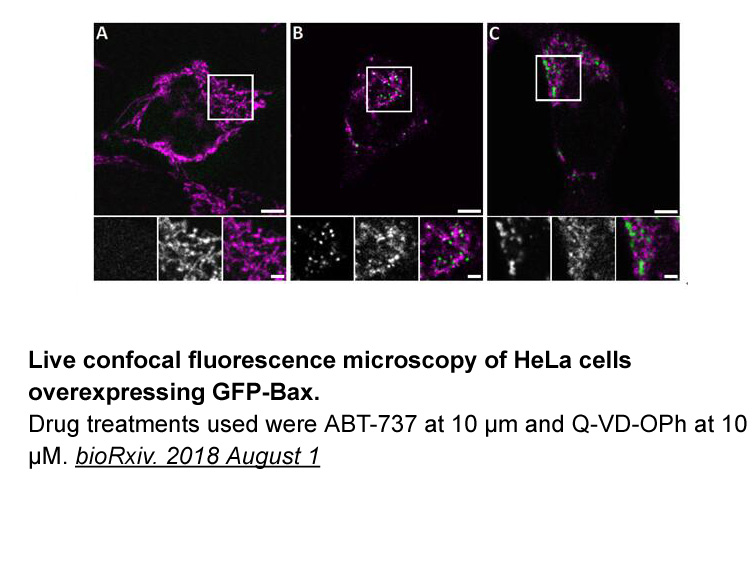
The standard model of stress postulates the activation of both the sympathoadrenomedullary axis and the hypothalamo-pituitary-adrenocortical axis. Long-term activation of either neuroendocrine axes has been shown to be harmful [12]. Short-term activation of the sympathoadrenomedullary axis is used t
-
In summary activated A AR exacerbated the
2022-01-03
In summary, activated A2AR exacerbated the reverse transport function of endothelial EAATs through a direct or indirect pathway depending on PKA and glutamate levels in response to OGD in vitro, but A2AR inhibition quickly restored the normal transport function. Moreover, the key mechanisms by which
-
Our initial lead optimization started with the
2022-01-03
Our initial lead optimization started with the modification of the indole head group as summarized in . Extensive exploration indicated that there was limited tolerance of structural change in this region of the molecule. All of the modifications to the indole moiety, including N-substitution (), li
-
The snapshots in Fig were taken at
2022-01-03
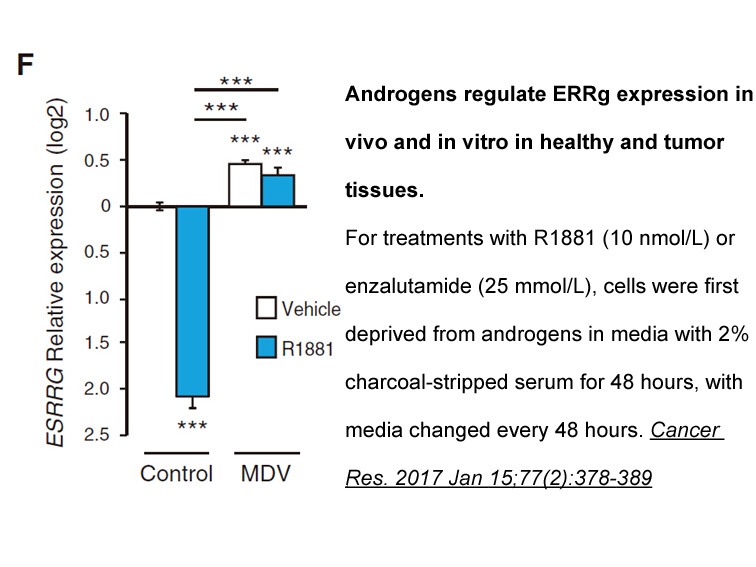
The snapshots in Fig. 5 were taken at the end of the first platteau i.e. for 5 Å rmsd or 4 ns time. Thus, we can see that the state of the i-motif affects the mechanism of the G-quadruplex unfolding. At acidic pH the stiff structure of the i-motif does not affect the bottom part (the innermost) of t
-
To understand the impact of alterations in brain zinc
2022-01-03
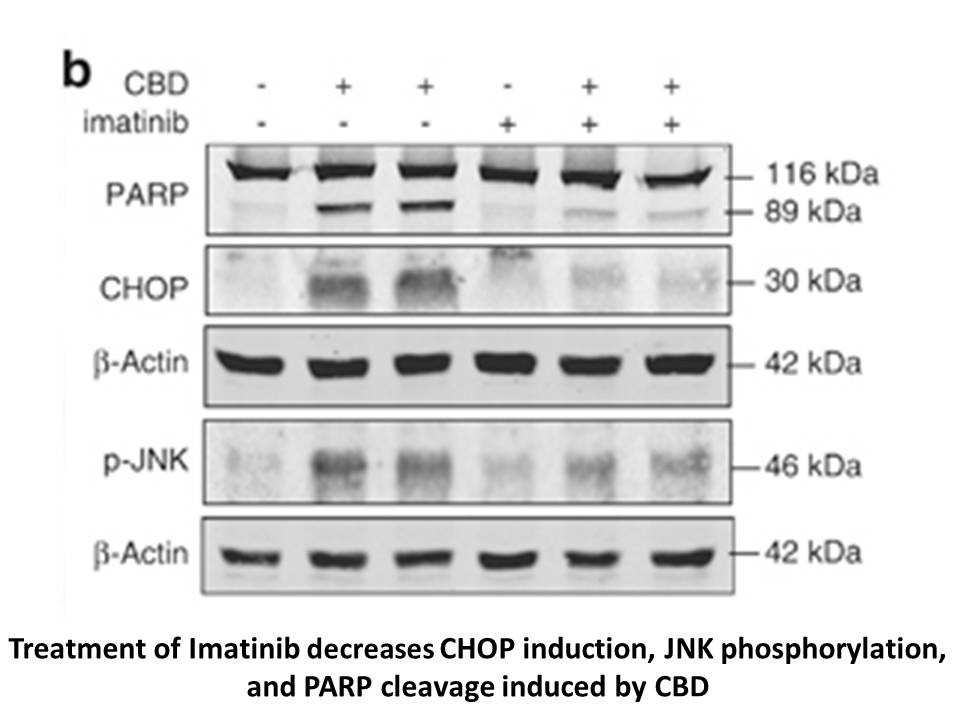
To understand the impact of alterations in YO-01027 zinc homeostasis, the role of Zn2+ as a neurotransmitter has to be appreciated. Certain regions of the brain including the neocortex and hippocampus harbour so-called “zincergic” (or “gluzinergic”) neurons, where Zn2+ is co-released with glutamate
-
We also wonder what function s both FPPS
2022-01-03
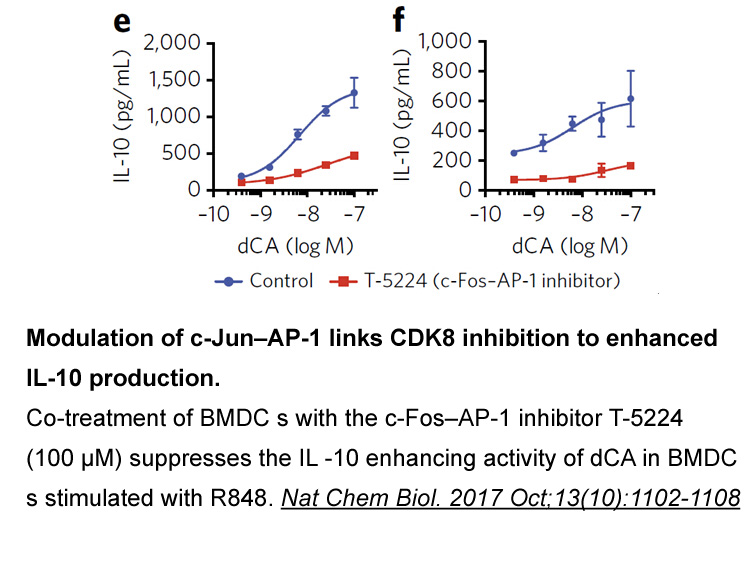
We also wonder what function(s) both FPPS1 and FPPS2 genes had in leaf. As some research indicated that the alpha-farnesene was also detected in ripe leaf of crabapple (Malus sp.) (Wu et al., 2012), one or both of them may be related to the synthesis of alpha-farnesene in leaf. To our knowledge, the
-
br Acknowledgment br Introduction Non
2022-01-03
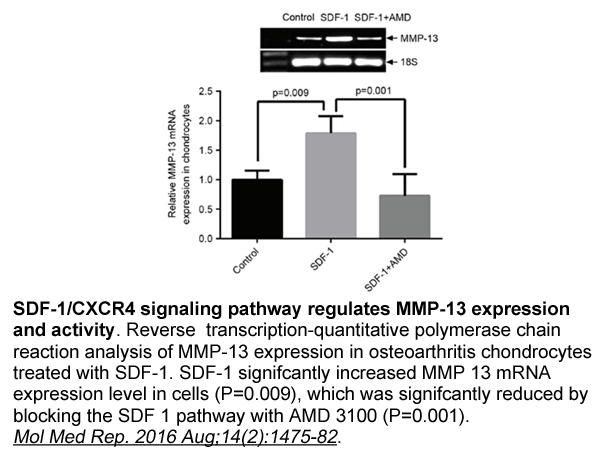
Acknowledgment Introduction Non-steroidal anti-inflammatory drugs (NSAIDs) are widely utilized to treat pain and inflammation [1], but their chronic use is hindered by a variety of potentially serious adverse events that include gastrointestinal (GI) mucosal lesions, bleeding and perforations
-
Patients with SCI often develop
2022-01-03
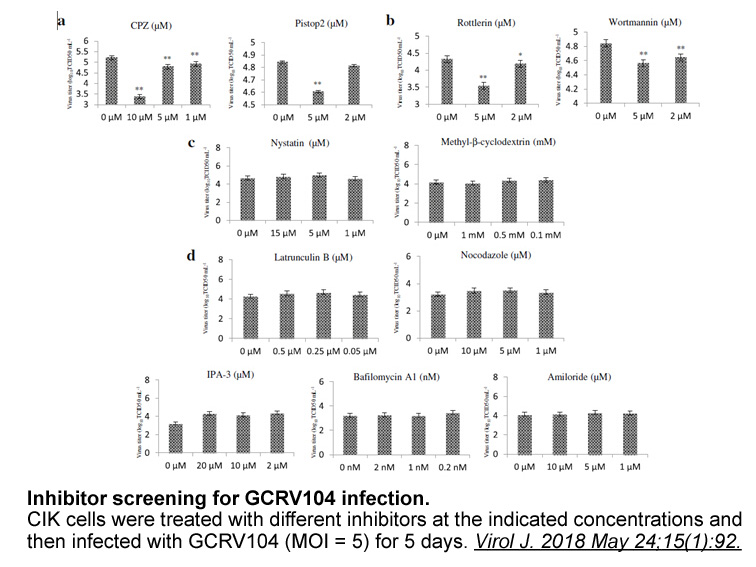
Patients with SCI often develop chronic neuropathic pain, which further deteriorates their quality of life [5]. This condition results from functional and structural plastic changes that occur centrally following injury to spinal cord neurons and glia, and include changes in receptor function and si
-
br Materials and methods br Results br Discussion
2022-01-03
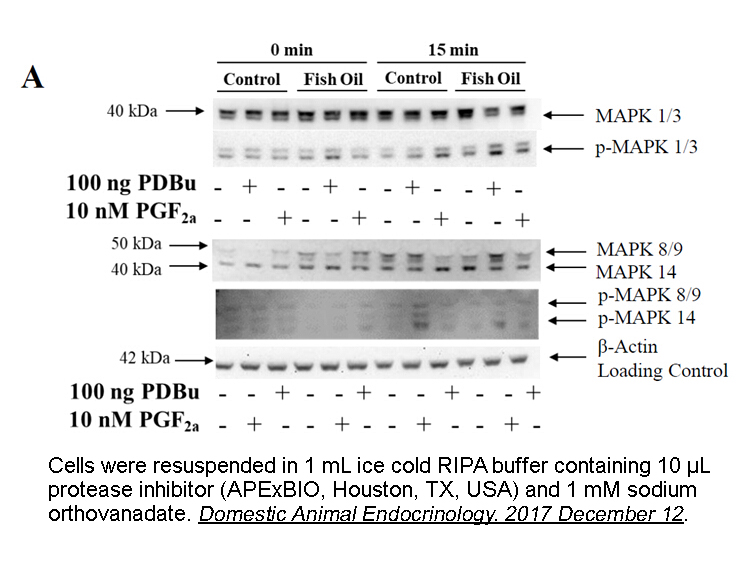
Materials and methods Results Discussion mmLDL is an important risk factor for cardiovascular disease, but its mechanism is still unclear. Previously, we co-cultured mmLDL with the coronary artery and basilar artery and found that mmLDL could upregulate ETB receptor expression in both [16],
-
Numerous strategies of cardiomyocyte protection are
2022-01-03

Numerous strategies of cardiomyocyte protection are effective in preclinical, animal models and in small clinical trials. However, most have disappointed in large clinical trials [4,5]. Failures of cyclosporine and post-conditioning to mitigate reperfusion injury are recent examples [[6], [7], [8]].
7826 records 522/522 page Previous First page 上5页 521522